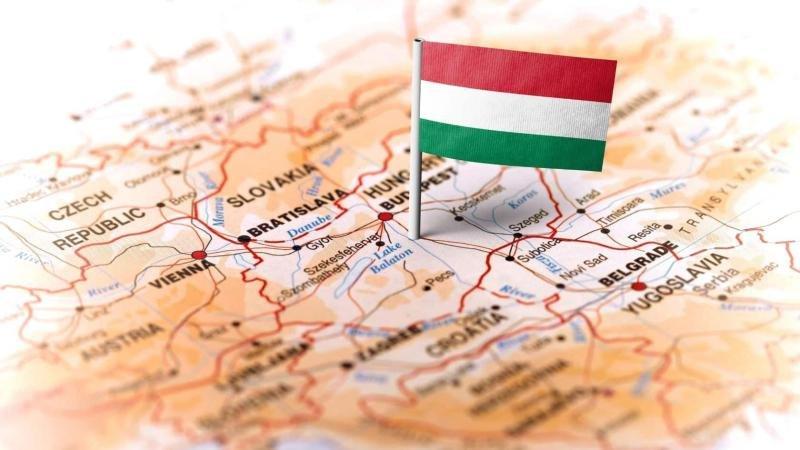
Hungary is becoming an increasingly attractive destination for foreign residents, investors, students, professionals and families seeking a European lifestyle at a relatively accessible cost. However, before relocating,

Hungary is becoming an increasingly attractive destination for foreign residents, investors, students, professionals and families seeking a European lifestyle at a relatively accessible cost. However, before relocating, one of the most important practical questions is healthcare.
Understanding how healthcare in Hungary works can help foreign residents avoid delays, unexpected costs and problems with residence permit applications. The system combines public healthcare, private medical services and different insurance routes depending on nationality, employment status and residence category.
In this guide, we explain how healthcare in Hungary works for foreign residents, who may qualify for public healthcare, when private insurance may be needed, and what newcomers should consider before moving.
Healthcare rules, residence permit requirements and insurance conditions may change.
Hungary has a public healthcare system funded mainly through social security contributions. The system is administered by NEAK, the National Health Insurance Fund, which contracts with healthcare providers across the country.
Residents who are properly registered in the Hungarian social security system can usually access public healthcare through a TAJ card. This card acts as proof that the person is registered with the National Health Insurance Fund.
Public healthcare can include general practitioner visits, specialist care, hospital treatment, emergency care and certain dental services. However, some services, medicines, medical devices and private options may require additional payment.
A TAJ card is Hungary’s social security identification card for healthcare access. For many foreign residents, it is one of the most important documents after receiving legal residence.
The TAJ card confirms that the holder is registered with the Hungarian public healthcare system. In practice, patients may need to show it when visiting a general practitioner, specialist clinic, hospital or other public healthcare provider.
Foreign residents may become eligible for a TAJ card in different ways, including employment in Hungary, qualifying social security status, certain international arrangements or other approved insurance routes.
Yes. Foreign residents generally need to show that they have access to valid healthcare coverage.
For residence permit applications, Hungarian immigration guidance states that applicants must provide evidence that they have comprehensive health insurance covering healthcare services, or evidence that they can cover the cost of such services themselves.
This means that private health insurance may be especially important for:
Foreign residents should understand the difference between public and private healthcare in Hungary.
Public healthcare is generally more affordable for people who are registered in the national system. It can cover many essential services, especially through NEAK-contracted providers. However, waiting times, language barriers and availability may vary.
Private healthcare is commonly used by foreign residents who want faster appointments, English-speaking doctors, more flexible scheduling or direct access to specialists. Private insurance can also be useful before the person becomes eligible for public healthcare.
For many newcomers, the practical approach is to maintain private health insurance at the beginning of the stay and later review whether public healthcare access is available through employment, social security registration or another route.
Public healthcare in Hungary may include:
However, patients may still need to pay for prescription medicines, medical appliances, extra hospital services, private rooms or treatments outside the public system.
EU and EEA citizens may have different options depending on whether they are visiting Hungary temporarily or moving there long term.
For temporary stays, the European Health Insurance Card may allow access to medically necessary state-provided healthcare under the same conditions as people insured in Hungary.
However, the EHIC is not designed as a full replacement for long-term health insurance. If an EU citizen moves to Hungary for work, study, retirement or long-term residence, they may need to register locally, obtain an S1 form or arrange Hungarian health insurance depending on their circumstances.
Non-EU residents usually need to pay closer attention to insurance requirements before applying for residence in Hungary.
In many cases, applicants must show valid private health insurance or other proof that healthcare costs can be covered. Once a non-EU resident becomes employed in Hungary and pays social security contributions, they may become eligible for access to the public healthcare system.
For investors, remote workers and financially independent residents, private insurance is often an important part of the relocation plan, especially before public healthcare eligibility is confirmed.
Yes, in most cases it is advisable to register with a general practitioner. The GP is usually the first point of contact in the public healthcare system.
A GP can provide basic medical care, issue referrals to specialists and help manage ongoing healthcare needs. In many cases, specialist consultations in the public system require a referral.
Foreign residents should check whether the GP accepts new patients, whether English-speaking services are available and whether the doctor is contracted within the public healthcare system.
Hungary provides emergency medical care through its emergency system. The main emergency numbers are 104 for ambulance services and 112 for general emergency assistance.
Foreign residents should keep their insurance details, passport or residence card, TAJ card if available and emergency contacts easily accessible. Those using private insurance should also check which hospitals, clinics or emergency services are covered under their policy.
Foreign residents often make the mistake of assuming that residence automatically gives access to public healthcare. In practice, residence status and healthcare coverage are separate issues.
Common mistakes include:
Hungary can be a practical choice for foreign families, especially those who plan healthcare coverage carefully before relocation. Budapest and larger cities generally offer more private clinics, English-speaking doctors and international medical services.
Families with children should review paediatric care, vaccination requirements, emergency options and whether private insurance includes maternity, dental, specialist and hospital coverage.
For families relocating through investment or residence planning, healthcare should be reviewed alongside schooling, housing, neighbourhood choice and long-term residence strategy.
Yes, but usually only if they are properly registered in the Hungarian social security system or otherwise qualify for public healthcare access. A TAJ card is commonly used as proof of registration.
Private health insurance may be required or strongly recommended, especially for non-EU residents, new arrivals, investors, remote workers and people who are not yet registered in the public healthcare system.
EU citizens can use the EHIC for medically necessary healthcare during temporary stays. For long-term residence, they may need local healthcare registration, an S1 form or another insurance arrangement depending on their status.
Not always. Prescription medicines may be subsidised, but patients often pay part of the cost. The amount depends on the medicine and coverage rules.
In the public system, specialist care often requires a referral from a general practitioner. Private clinics may allow direct specialist appointments, depending on the provider and insurance plan.
Capitals28 assists clients who are considering relocation, residence planning or investment-based pathways in Europe, including Hungary.
Our team can help clients understand the practical requirements connected to residence, documentation, accommodation, healthcare planning and family relocation. We can also coordinate with licensed legal, tax and insurance professionals where specialist advice is required.
Healthcare access should be reviewed before submitting a residence application, not after arrival. Proper planning can help applicants avoid delays, gaps in coverage and unexpected costs during the relocation process.